

Orthopedic Shoes ← Back
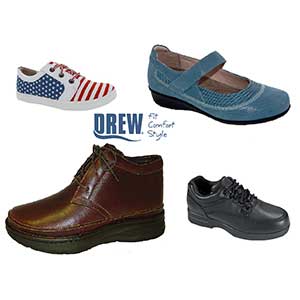
Properly fit orthopaedic footwear can aid in the prevention and alleviation of pain from many common ailments associated with the feet. Ortho-Zone carries a wide variety of orthotic friendly footwear. Our Staff will work with you to find footwear that is fashionable, functional and appropriate for your individual needs, all the while keeping in mind your primary concerns and activities.
Though orthopedic shoes are often designed to treat specific conditions, there are a few basic characteristics that are consistently important. Look for these key features when buying one.
A wide and deep toe box: Hammertoe, claw toe, corns, calluses, blisters, and bunions are a few of the foot deformities that can be caused or aggravated by toe boxes that are too narrow or too shallow. Cramming your toes into a shoe is not worth the long-term consequences to your health. Your toes should be able to spread out comfortably in your shoes with wiggle-room to spare. Look for round or square toes over pointy-toed shoes.
Removable insoles: Purchasing shoes with removable insoles allows you to change the size of your shoes in order to accommodate the swelling of your feet. It also enables you to replace your insoles with custom orthotics.
Firm heel counter: Heel counters are designed to add stability to the shoe. To check if a shoe has a firm heel counter, press your thumbs against the back of the heel. If the heel bends inward easily, it does not have a firm heel counter. If the heel resists bending, a firm heel counter is present.
Contoured foot bed: Orthopedic shoes should complement the natural curves of the foot. Contoured foot beds are designed to fit and support your feet in all the crucial places.
Rocker bottom sole: Shoes with a “rocker bottom” sole have an outsole that points slightly upward at the toe and the back of the heel so that the foot rolls smoothly through its stride without putting excessive pressure on the ball of the foot. Note though that rocker bottomsoles are not for everyone.
Seamless interior: Smooth interiors are especially important for people with conditions such as diabetes or lymphedema, or who are vulnerable to minor foot injuries. A seamless interior helps to protect the delicate skin of the foot from friction along the seam line.
Breathable uppers: Keeping the foot dry is important when it comes to keeping the foot infection free. Shoes that are made out of breathable materials promote air circulation and keep the shoe free of sweat and other moisture.
Padded tongue and collar: An ultra-soft tongue and collar helps to prevent irritation that can lead to minor foot injuries such as blisters and calluses